Who we are
Sinopec Hunan Petrochemical Co., Ltd. was formed through the merger of the former Baling Petrochemical and Changling Refining & Chemical. With more than 50 years of development and construction, it has grown into a large‑scale refining and chemical enterprise, as well as Hunan Province’s largest base for refined oil supply and chemical material production.The enterprise boasts existing product chains covering oil refining, coal chemical industry, caprolactam, thermoplastic elastomers, epoxy resins and propylene oxide. Its primary oil refining processing capacity stands...
Read More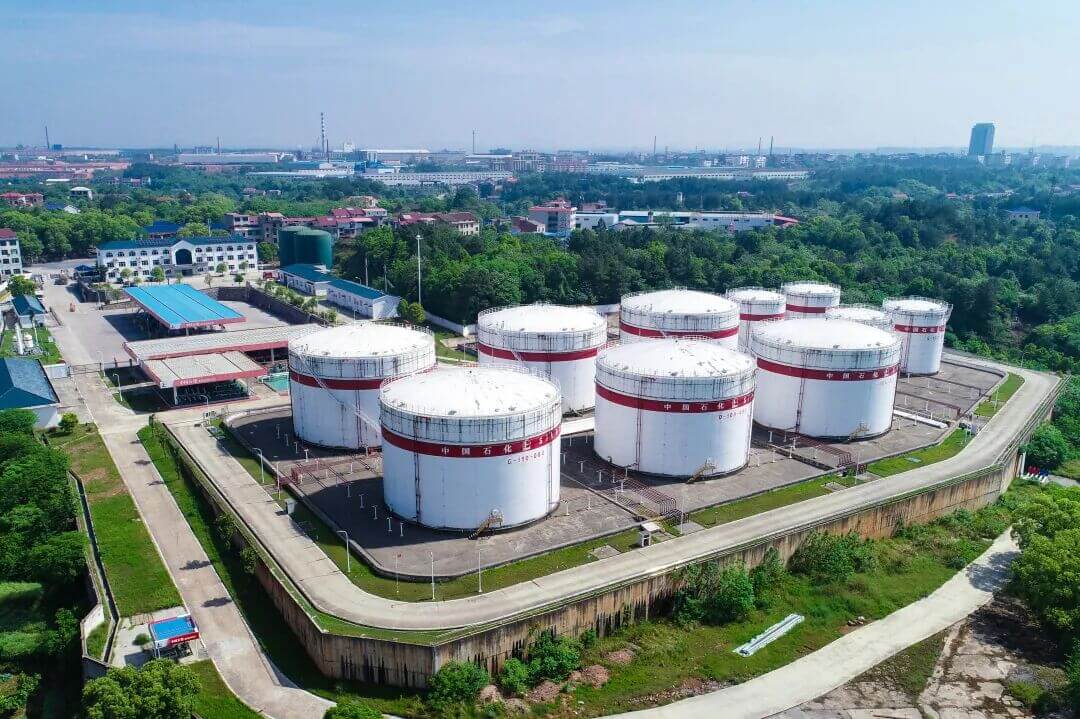

Sustainability
Environmental Stewardship
Adhere to the synchronous development of industrial production and environmental protection.
Emission Compliance
Ensure stable and compliant emissions of pollutants
Accident Prevention
Prevent major environmental pollution accidents, and build a green and civilized enterprise
Our Culture
Culture
Provide customers with more valuable chemical supply solutions
Core Values
Putting oneself in others' shoes, achieving mutual benefits for employees, customers, and shareholders
Business Philosophy
Take the market as the navigation mark and the customer as the center
Corporate Mission
Create value for customers, employees, and shareholders
News Feed
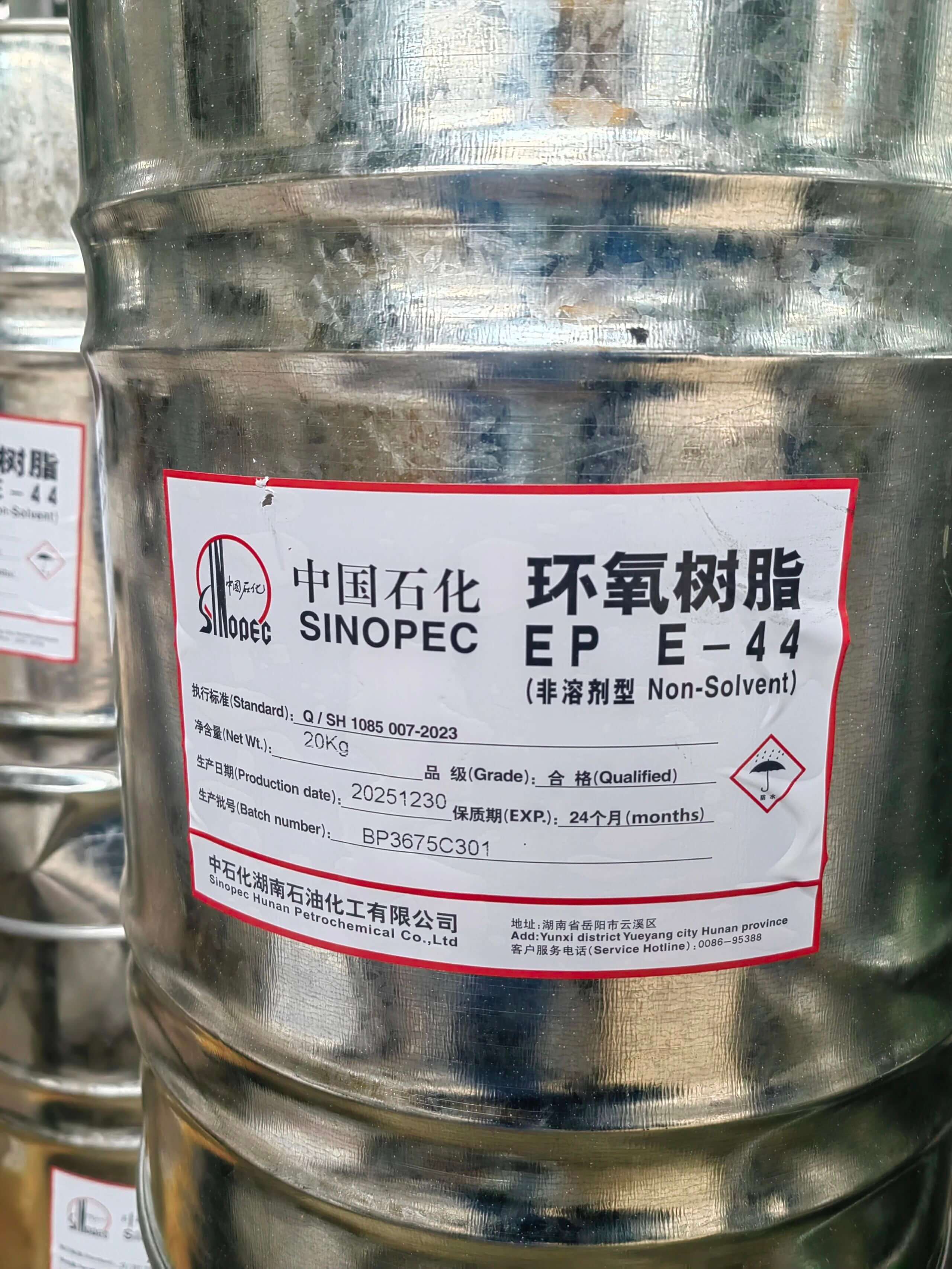
Hunan Petrochemical Boosts Output and Sales of High‑Added‑Value Epoxy Resins
Hunan Petrochemical Resin Division taps into the collaborative efficiency of its integrated research‑development, application research, production and marketing system. Focusing on high‑end and customized demands from market clients, it advances on multiple fronts including R&D breakthroughs, lean production and market‑oriented sales. Output and sales volume of its high‑added‑value epoxy resins have risen by 25 % year‑on‑year, with its market share in high‑end new materials growing steadily.To precisely meet differentiated industrial requirements, three dedicated task forces for synthesis, application and production services jointly develop new high‑end epoxy resin grades. The synthesis team works on special‑purpose resins for 5G communication substrates by optimizing properties such as high dielectric performance, supporting domestic substitution for electronic base materials. The application team develops lightweight, high‑strength composite materials tailored for low‑altitude‑economy and high‑end equipment manufacturing scenarios such as drones and robots. The production‑service team upgrades anti‑corrosion materials to deliver long‑term anti‑corrosion performance for marine vessels and oil‑gas pipelines.Production facilities follow market‑oriented production principles and strengthen production‑sales linkage. Working with R&D teams to refine processes, the site also holds labor competitions to resolve production bottlenecks. Teams fine‑tune process parameters, standardize shift‑based operations, and define scheduled workflows covering feeding, circulation and equipment cleaning. Refined management ensures full‑load, continuous and stable unit operation.Sales teams adopt supporting operational mechanisms to cope with volatile product markets. Leveraging the epoxy‑resin new‑material center platform, they shorten customer demand response cycles. Regular joint site visits are carried out together with R&D, production and quality‑inspection teams for product benchmarking against competing specifications. The sales force explores downstream application niches to open up new product markets. Credit insurance is introduced to optimize transaction models and effectively capture incremental market opportunities.The enterprise is pressing ahead with the construction of its special epoxy resin unit. It will keep expanding high‑value‑added application markets and propel high‑quality corporate development.
Read More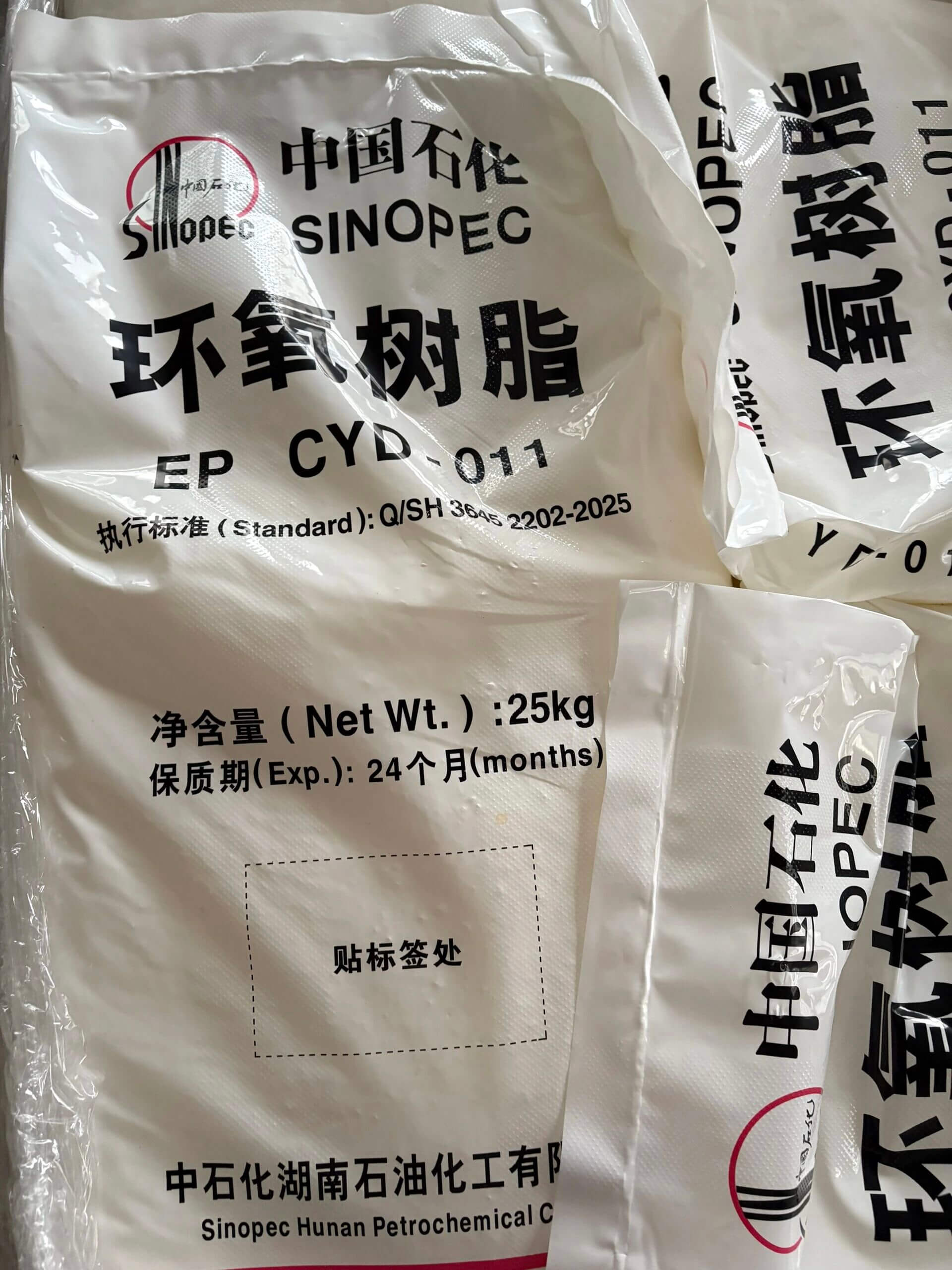
Sinopec Hunan Petrochemical Co.,Ltd Resin Industrial Chain Develops Special‑Grade Products to Meet Market Demands and Boost Operational Efficiency
Sinopec Hunan Petrochemical Co.,Ltd aligns its resin industrial chain closely with market demands by developing and manufacturing special‑grade products and improving operational efficiency. In the first half of the year, outbound deliveries of special‑grade products rose by over 40 % year‑on‑year, while export sales jumped 49 %. Its electronic‑grade epoxy resin fills a domestic market gap, and epoxy resin for sucker rods breaks foreign monopolies, marking major progress in multiple key technology research projects.The company deepens the integration of application‑oriented research, production and sales. It has built a linkage mechanism connecting market feedback with production scheduling to dynamically arrange production according to customer requirements and accelerate market response. Centered on quality improvement and process optimization, the resin industrial chain has rolled out more than 100 research‑oriented measures with clear task classification and assigned responsibilities. Technical teams optimize reaction conditions and operating parameters to address production bottlenecks and quality fluctuations, resolving key issues item‑by‑item to support the successful development of new special‑grade product grades. Over 50 new special‑grade grades have been developed and commercialized in the first half of the year, covering sectors including electronics and composite materials.In terms of high‑end offerings, the product portfolio of the resin industrial chain is steadily shifting toward high‑end and differentiated positioning. Electronic‑grade epoxy resin has been adopted in 5G communication applications. Sucker‑rod‑specific epoxy resin realizes domestic import substitution and finds deployment in marine vessels and warships. The overall market competitiveness of Sinopec Hunan Petrochemical Co.,Ltd’s resin business has been further strengthened.
Read More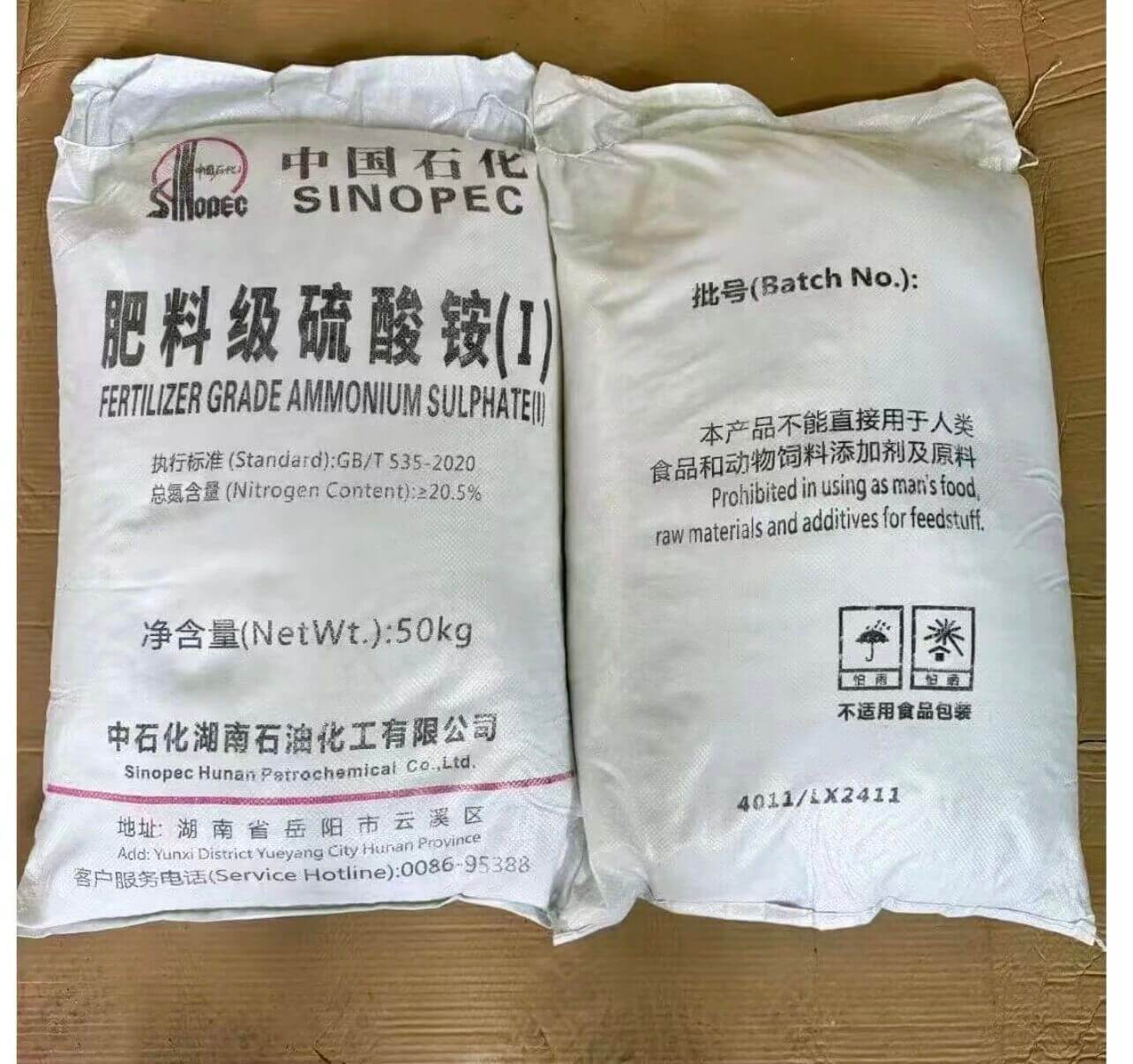
Sinopec Hunan Petrochemical Co.,Ltd: Industrial Practice of Fertilizer‑Grade Ammonium Sulfate from Caprolactam Industrial Chain
Fertilizer‑grade ammonium sulfate is a traditional ammonium‑nitrogen fertilizer and a typical by‑product from large‑scale chemical plants. Relying on the 600 kt/a caprolactam industrial chain relocation and upgrading project, Sinopec Hunan Petrochemical Co.,Ltd achieves large‑scale output of fertilizer‑grade ammonium sulfate and realizes resource recycling of chemical by‑products. Its products are supplied to domestic fertilizer markets and multiple overseas markets.The fertilizer‑grade ammonium sulfate of Hunan Petrochemical is generated as a by‑product of the caprolactam production unit. The complete ammonium sulfate unit is equipped with two production lines, with a maximum annual by‑product output of 900 kt of fertilizer‑grade ammonium sulfate and a daily output of around 2,600 tons under normal operation. Manufactured in compliance with national standards for fertilizer‑grade ammonium sulfate, the product features approximately 21 % total nitrogen content, white crystalline appearance, low organic impurities and low powder ratio with stable quality. It can be directly used as nitrogen fertilizer and serves as an important basic raw material for compound fertilizer production.As a chemical by‑product, its core advantage lies in resource recycling. While producing caprolactam monomers, the main caprolactam unit generates ammonium sulfate crystalline materials as by‑products. Through process control to stabilize crystal quality, the enterprise converts chemical by‑products into agricultural fertilizer raw materials, realizes closed‑loop material circulation in the industrial chain, reduces waste discharge and conforms to the circular‑economy development trend of the chemical industry.In terms of production and operation, Hunan Petrochemical has carried out multiple process optimizations for its ammonium sulfate business. It has launched wet‑material loading and large‑granule ammonium sulfate toll‑processing projects. Part of wet ammonium sulfate material skips the full drying process and is sent to partners for extrusion processing into large‑granule ammonium sulfate. This mode eliminates the high‑energy‑consumption drying section, cutting steam consumption by about 40,300 tons and power consumption by approximately 17 million kWh annually. It also lowers water consumption and dust emissions, improves on‑site working conditions and balances cost reduction and green production. Extruded large‑granule ammonium sulfate features regular particle shape, adapts to mechanical spreading and has a longer nitrogen release cycle, well‑suited for large‑scale agricultural planting overseas.For the market, Hunan Petrochemical cooperates with Sinopec Chemical Sales Central‑China Branch and Sinopec Chemical International Trade for domestic supply guarantee and overseas export businesses. Domestically, crystalline ammonium sulfate is supplied to compound fertilizer manufacturers and agricultural‑material distributors. It can be applied as base fertilizer or top‑dressing for most crops and performs well on acid soil. In overseas markets, its products have entered Southeast Asia, Brazil and other regions. Large‑granule ammonium sulfate has been exported to Romania and other European countries to open up European market access. Exports once accounted for 50 % of total sales, making it one of the enterprise’s key export products.In application, fertilizer‑grade ammonium sulfate is an acidic nitrogen fertilizer that supplies crops with nitrogen and sulfur nutrients. It is suitable for field crops such as rice and corn as well as acid‑loving cash crops. It can be applied directly or used as raw material for compound fertilizer manufacturing. During storage and transportation, it shall be kept in dry and ventilated warehouses and shall not be mixed with alkaline materials to avoid nitrogen loss caused by chemical reactions.For chemical enterprises, the by‑product ammonium sulfate business poses strict requirements for unit stability, product quality control and production‑sales coordination. Hunan Petrochemical has set up special research teams to remove unit bottlenecks and strictly control intermediate process indicators to guarantee stable purity and particle size of finished ammonium sulfate, ensuring stable co‑production of main‑product caprolactam and by‑product ammonium sulfate. This model provides a referable case for by‑product resource utilization among domestic large‑scale petrochemical enterprises. It converts chemical by‑products into fertilizer raw materials for agriculture and builds the connection between chemical industry and agriculture.Against the backdrop of differentiated global fertilizer raw‑material demand, market requirements for crystalline and large‑granule ammonium sulfate keep growing. Supported by stable by‑product supply from its caprolactam chain, Sinopec Hunan Petrochemical will continue to secure domestic supply and expand overseas markets, and further explore the market value of circular‑chemical products.
Read More